
We get this question a lot: doesn't the crunch from kibble scrub a cat's teeth clean on its own? It's a reasonable guess, and it's wrong. Watch a cat eat a piece of dry food and you'll see why: one crunch, maybe two, and it's swallowed, over in under a second, and none of that contact happens anywhere near the gumline, which is exactly where plaque and bacteria build up. What actually works is brushing, and getting a cat to tolerate it is more doable than it looks, as long as you go slow.
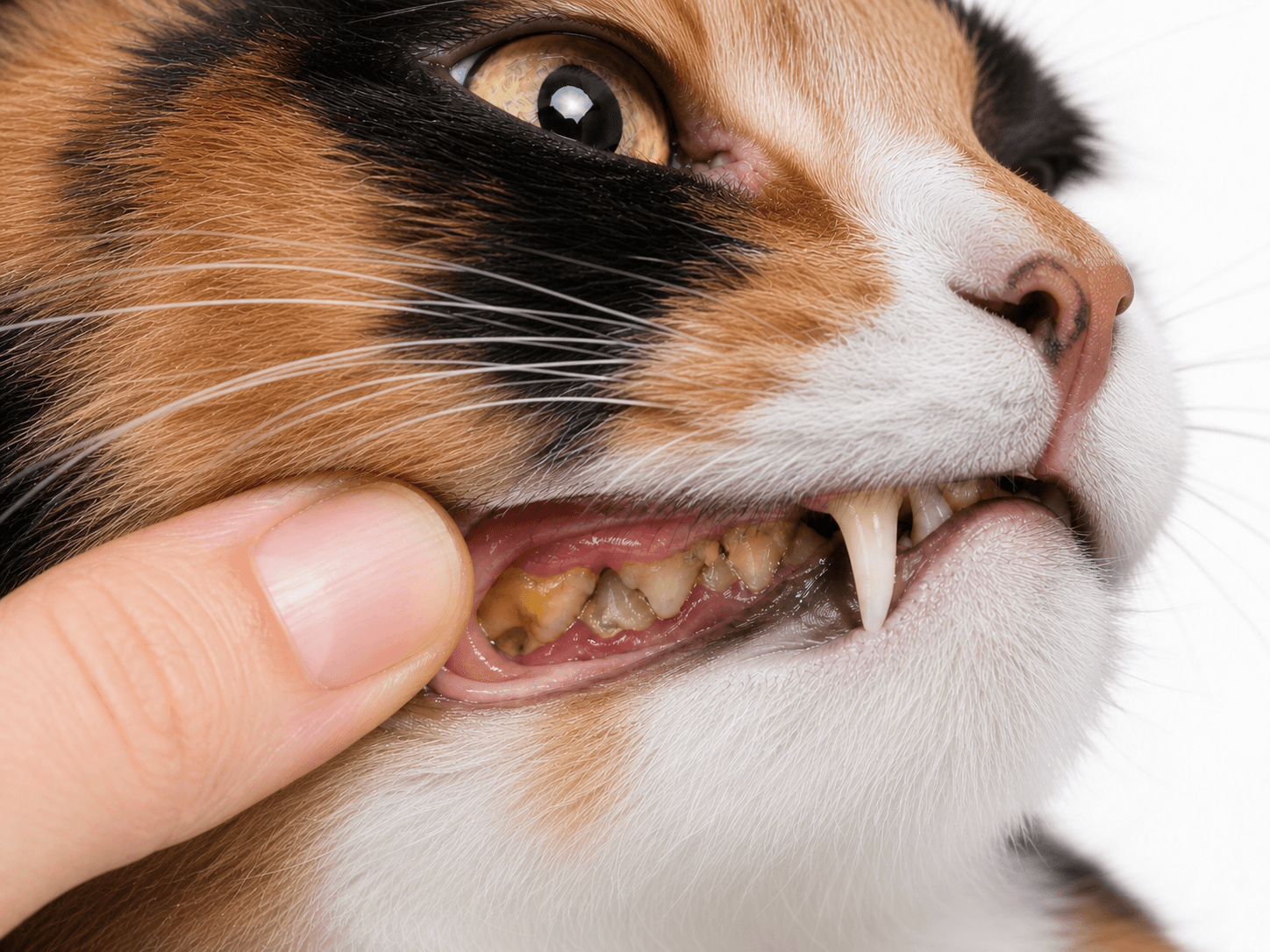
The part everyone skips, and the part that actually matters
Most cats resist at first, and that's fair. Nobody enjoys a toothbrush in their mouth. The trick is giving them time to get comfortable, long before a brush shows up. That's called desensitizing, and it's the whole game.
- Handle their mouth daily, lips and teeth included, until it's no big deal.
- Make the toothbrush familiar before it's ever used. A treat-scented bristle beats a strange new object.
- Introduce cat toothpaste the same unhurried way.
- Brush the front teeth only, with treats overlapping the whole session.
- Work back toward the molars once the front is easy. Some sessions won't get that far, and that's fine.
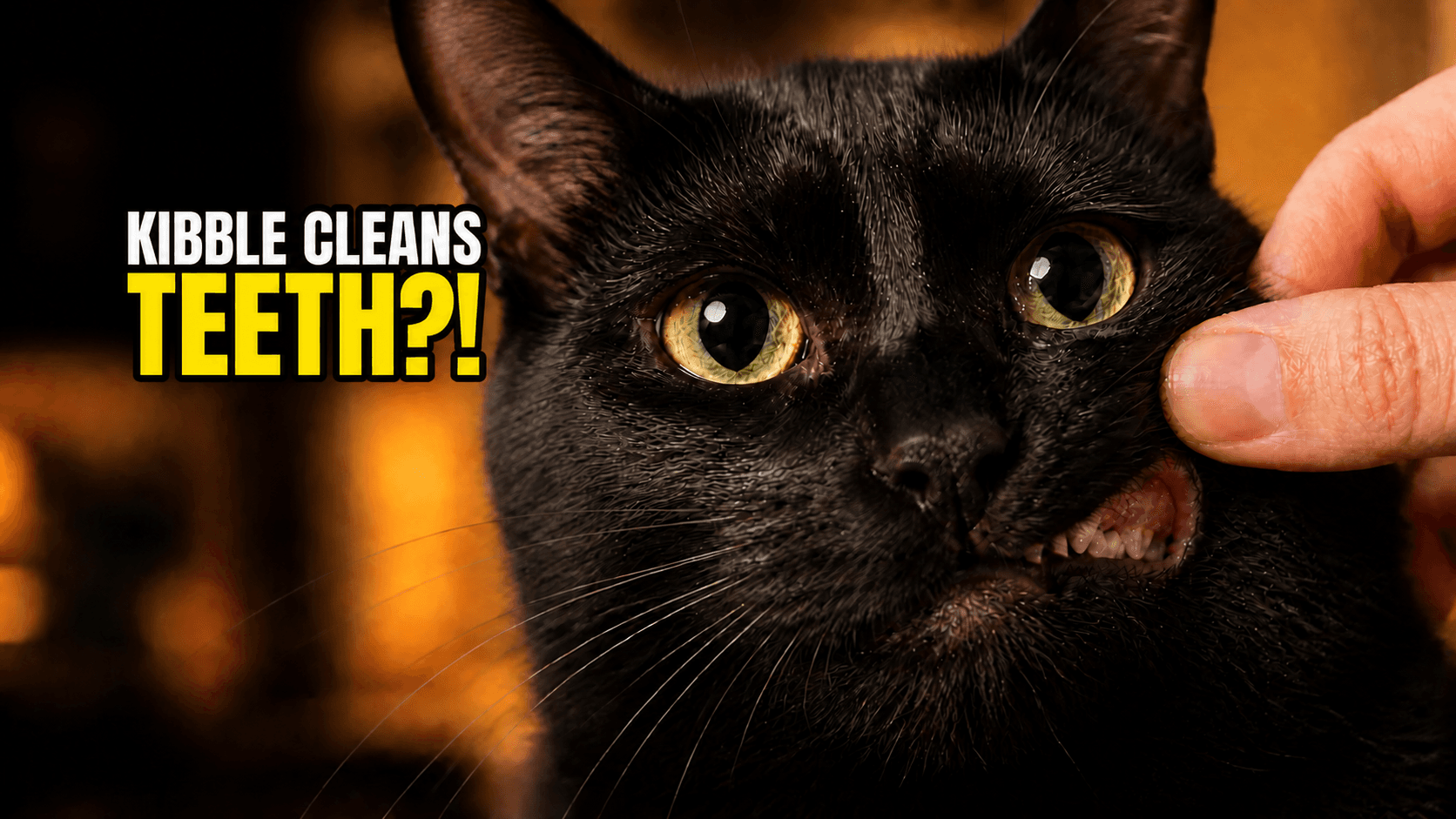
That's the short version. For the full walkthrough, including the slower stretches and how we handle the back teeth, watch the video below.
Some more consideration before you go:
- Pick calm, sleepy moments for all of this, never when your cat is being palyful.
- Some cats get there in weeks. Others take months. Either way, be patient with your cat, and with yourself.
- And most importantly, never use human toothpaste on your cat. It isn't safe for them. Use toothpaste made specifically for cats.

